

Supporting Your Loved One
Guidance for the people who support adults with autism and other forms of neurodivergence.
You've likely been one of their biggest advocates — speaking up and making the calls, all to make sure their needs were met. As your loved one grows into adulthood, that role starts to change. It can bring hope, uncertainty, and a fair amount of worry, sometimes all at once.

If This Sounds Familiar, You're Not Alone.
After they graduated the supports we relied on for years are suddenly gone.
I want them to be more independent, but I'm not sure when to step in and when to step back.
They seem more isolated now that they don't see peers every day.
I worry about their future, and I can't remember the last time I had time for myself.
How We Can Support
With the right tools and support, many families are surprised by just how much their loved one can achieve.
-

Life After School
We help you understand what the transition into adulthood can look like, and how to prepare your loved one for the questions ahead: work, routines, relationships, and what comes next.
-
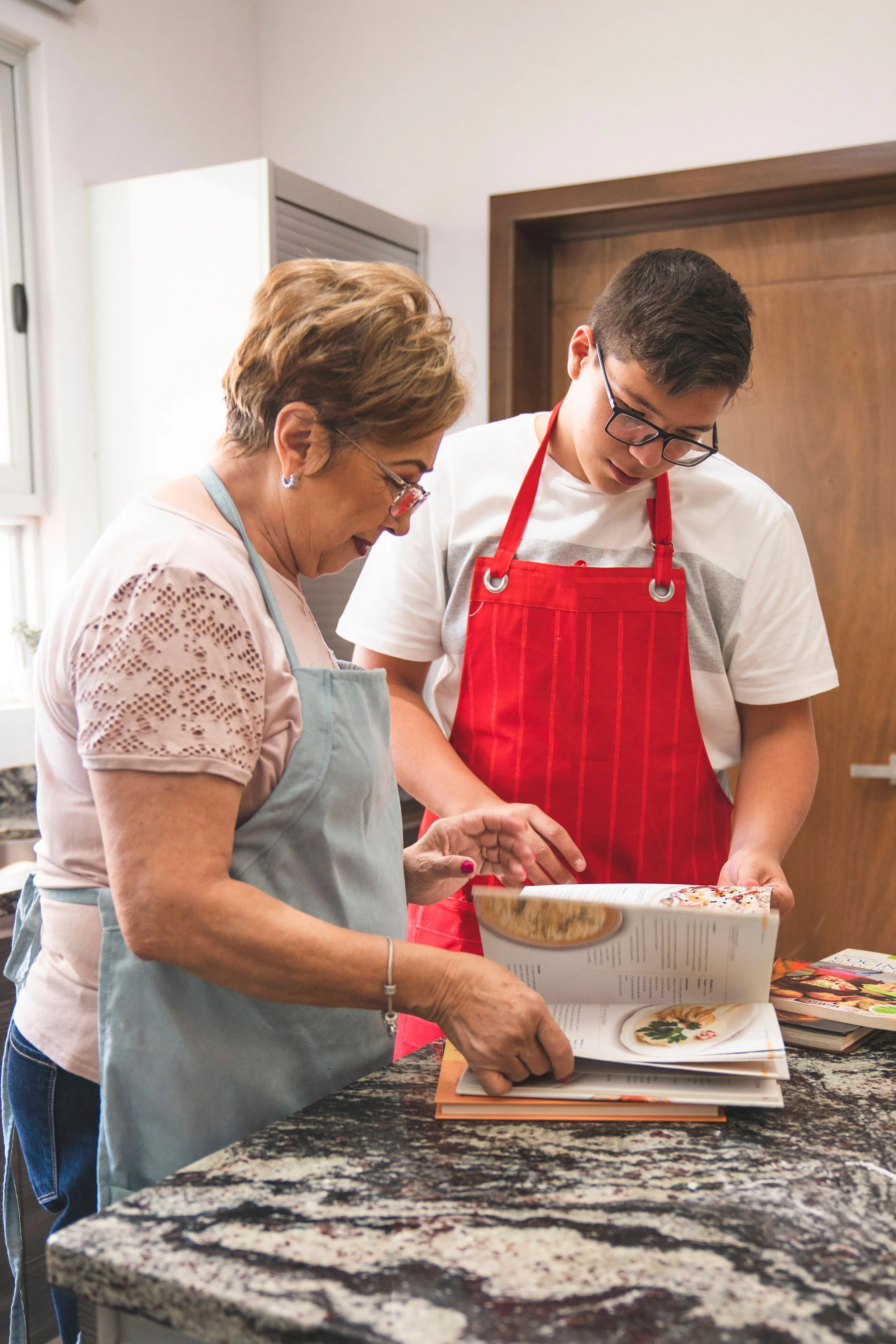
Encouraging Independence
We guide you in practical ways to build your loved one's choices, confidence, and voice at home, in the community, and in everyday life, so they can achieve more for themselves.
-

Supporting Their Path to Work
We help you understand how to support your loved one as they prepare for, find, and keep meaningful work, from knowing when to help to knowing when to step back.
-

Adjusting to Your New Role
After years of advocating, stepping back can bring its own worry. We help you navigate that adjustment, and as your loved one's independence grows, so does your time for yourself.